
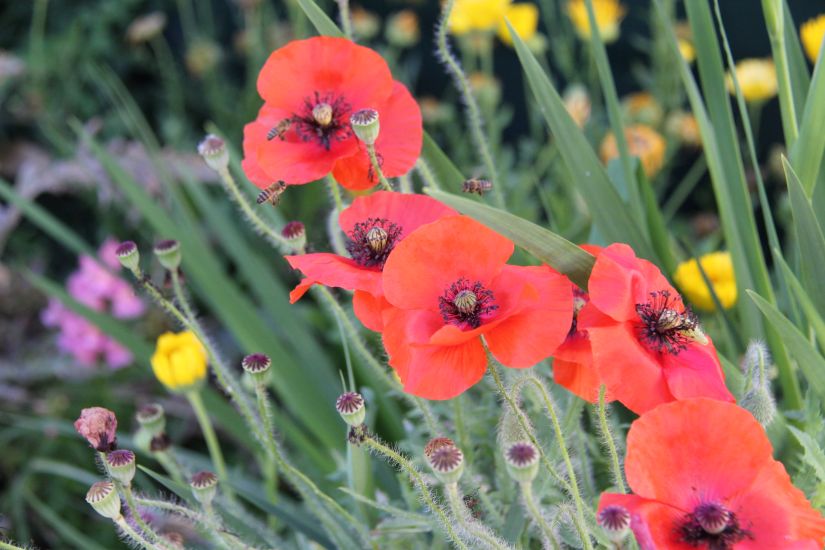
Gardening is in my blood.
I have always wondered how some people know instinctively how to throw and catch a ball. As if they were born knowing how to play “footy”.
It was only after I had children and started hanging out in playgrounds and parks did I realise it is a skill passed down through generations. Kids learn to throw and catch by playing!
I still can’t throw or catch…in my family…We GARDEN 😊
I love being surrounded by my garden—it connects me with nature and the seasons. At different times of the day the activity is different. There are birds and bees and ants and butterflies and they all have their own rhythms and routines.
I grow food that changes with the seasons— just when I grow tired of eating broccoli the season changes and suddenly there are mulberries and cucumbers until they, too, are finished and we are on to the next season.
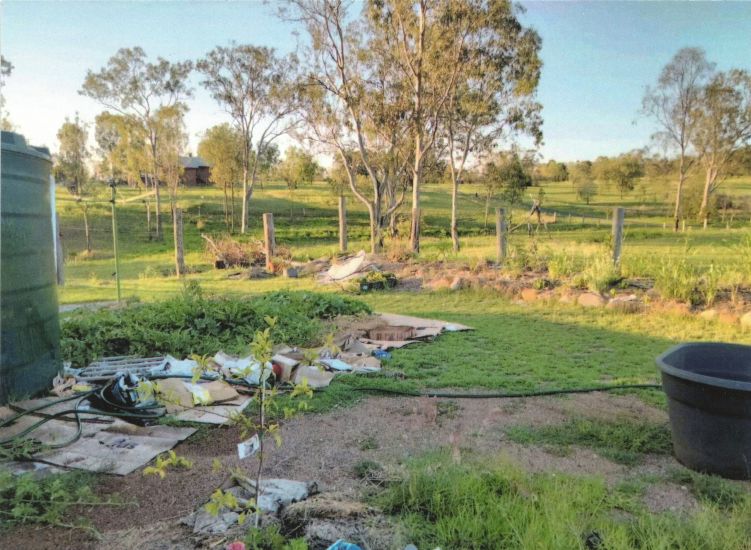
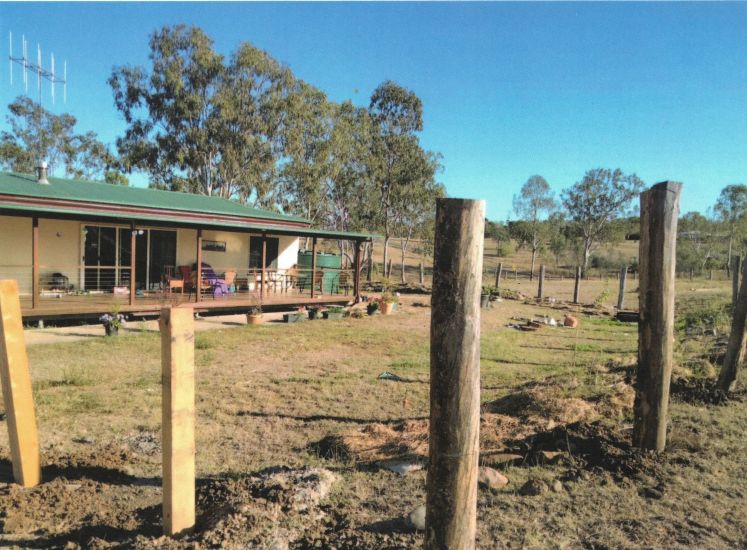
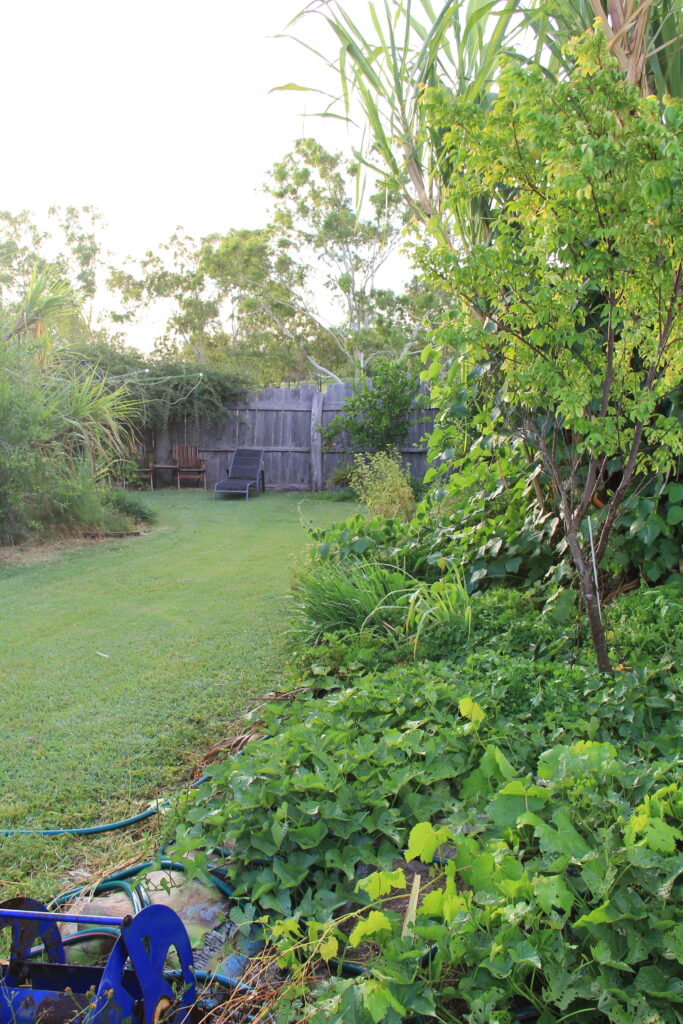
A garden takes time to grow from nothing to the point it becomes productive. It is so satisfying to watch the transformation from bare ground to lively environment. My garden is 5 years old. There was nothing there when we moved in and I didn’t have time to fuss. I just started planting things and worked the rest out as I went.
The beginning of my garden 5 years ago:-
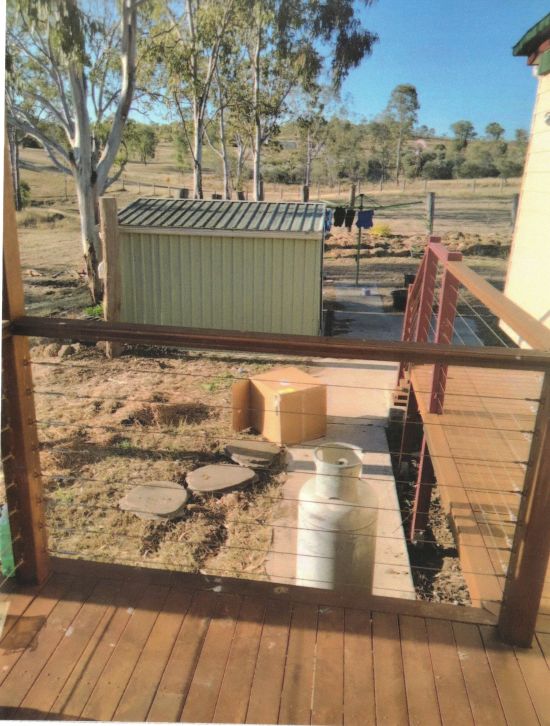
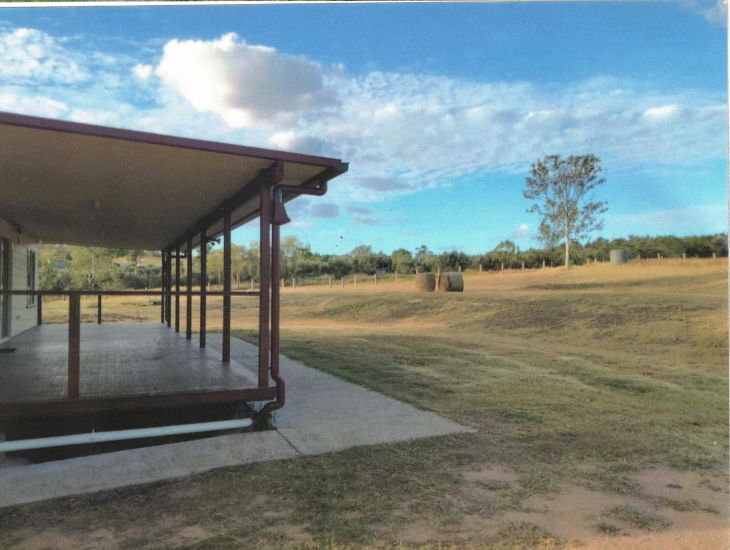
Here are 10 practical tips I’ve found useful for making and maintaining a luscious and lively garden in the midst of the cyclone we call life.
- Just start
It doesn’t have to be complex or expensive. The only true essentials are dirt and access to water.
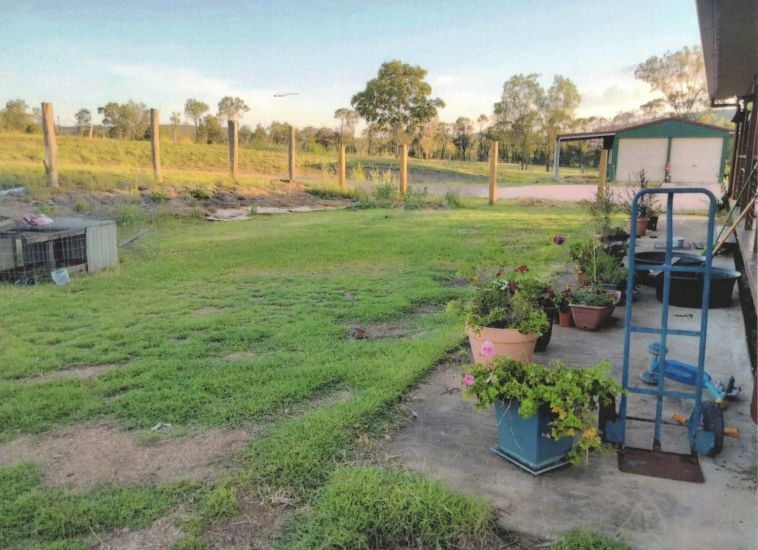
- WATER, WATER, WATER.
If I had to pinpoint the one thing that will determine the success or failure of a garden it would be water. Rain is the very best kind of water. Town water is usually okay, but expensive. Tank water is fabulous and scarce. On a farm a bore can be excellent or salty (there are magnets available to minimize the harshness of this kind of water), creeks and dams are usually okay while they have water in them. I have a bore that is a bit salty but only half as salty as my mum’s and so far, it’s doing a good job of keeping things alive.
I like to make the most of the water I am putting on my garden. Some plants like fruit trees and vegies need quite a lot of water to be productive and some, like the natives, are hardier and can be left to themselves more. Grouping the thirsty plants together makes watering more efficient. In time you will discover combinations of plants that will happily “layer” together and grow two or three kinds of food/ beauty/nature in the one area. For example, in my mum’s jungle garden she grows incredible sweet potatoes under her fruit trees and passionfruit vines love to grow through trees.
Mulch is also a fabulous tool for making the water go further in hot weather—it holds the moisture in the soil for longer. Your plants will tell you if you are watering them enough— watch for that droopy thirsty look! In winter I only need to water once a week or less. In the scorching summer every two days is necessary for a vegie garden.
- Wicking Beds
If water is going to be a problem for you consider a wicking bed. These are fabulous and worthwhile in any garden. The idea is a large container— designed to hold the soil above a water reservoir and “wick” the moisture up. They make the most of available water and could be maintained using precious tank water. A quick google will bring up lots of design options— for a really fast start I liked this Junior Landcare one https://juniorlandcare.org.au/learning_activity/making-a-small-wicking-bed/
Over time, my designs have become lazier and lazier. My latest wicking beds are made with $20 tubs from the cheap shop, charcoal for the reservoir support layer (pizza oven by-product!) weed mat for the “geotextile fabric” a little hole drilled at the level of the reservoir to let out excess water, then soil and boom! Wicking bed action.
- Gardening on a Budget
Money is a tremendously handy thing to have and can make your gardening journey easier. The beautiful thing about gardening is you can get started without much money if you want to.
Mulch: Cardboard and grass clippings aren’t sexy, but they will do for mulch— in fact, half of my garden is just cardboard waiting for something more respectable like hay or woodchip on top.
Starter Plants: Have a friend who gardens? Ask if they would share some cuttings to start you off. Most gardeners can’t resist a chance to share their love of plants.
Roadside plant stalls are awesome and they’re usually hardy plants that grow in your area.
For vegies – seeds can be a more economical way of beginning.
I do think the expense of grafted fruit trees is worth it if you can afford them. These are trees grown with a tough root stock and they have the chosen fruit professionally grafted on— they will give you lovely fruit. If this isn’t an option many fruit trees like peaches, citrus, avocados can be grown from seed it is just a bit of a jackpot what kind of fruit you get. Sometimes it is great and sometimes they are tough tiny versions of the original, sometimes they don’t produce fruit at all.
- WEEDS are plants too 😊
Some of my favourite conversations have been with people who love growing things. An organic market gardener believed one of the secrets of his success was letting the milk thistles grow wild in his crop to give the bugs something to eat!
My favourite nursery has a wonderland of wild and beautiful garden. The nurseryman pointed out that a lot of the “filler” for the gorgeous wilderness were weeds he hadn’t dealt with yet. Link below
https://www.facebook.com/memerambisprings
The hardest thing I find to maintain and keep weed free is the bit of lawn I have. I spend more time than I would like trying to keep it prickle and weed free and mowing is definitely not top of my list!
- Chemical-Free
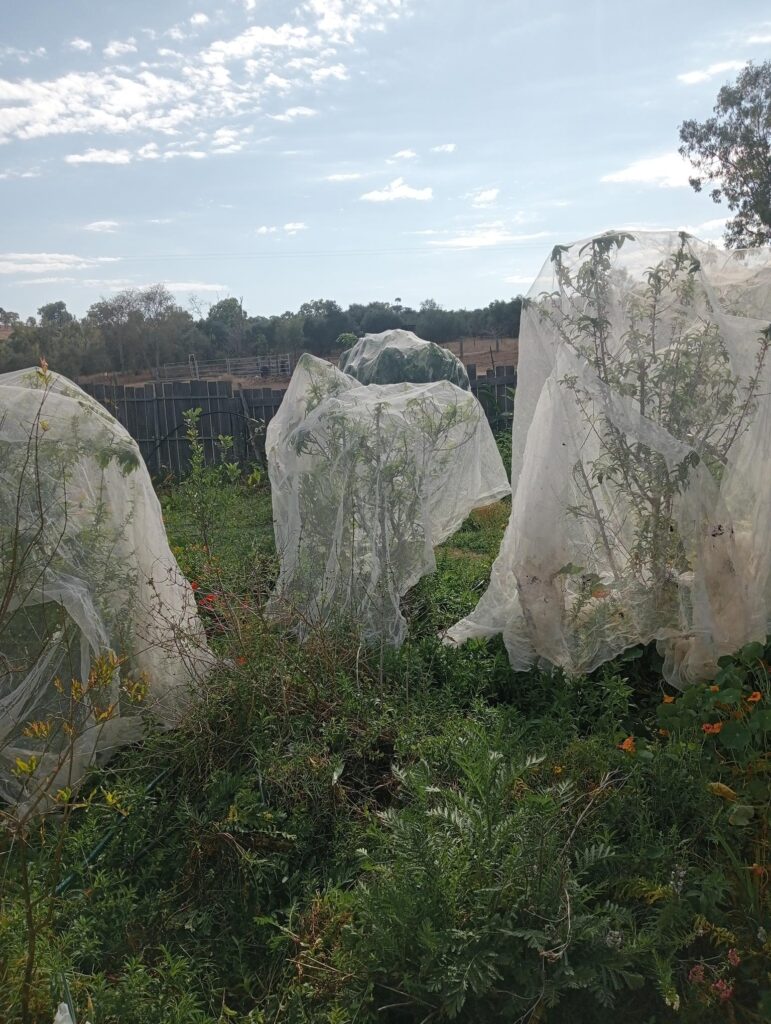
As you may have guessed, I prefer to avoid chemicals where I can. For fruit trees I use exclusion nets and baits. Sometimes if there are bugs decimating my vegies I will hit them with whatever “all natural” options I can find at the local hardware store. Sometimes there are insects so persistent I just let them eat everything and try again the next year. Bean flies are a problem I haven’t found a solution for yet.
- Other Pests
Wherever you are there will be animals keen to eat whatever delicious things you grow. You will find what works for your situation. Some options are:-
Fences – down to the ground with no gaps are good if you want to get serious and keep the hares and kangaroos out.
Containers – A good way to start is in containers and placed somewhere high. If you have possums sometimes you might need netting to cover things.
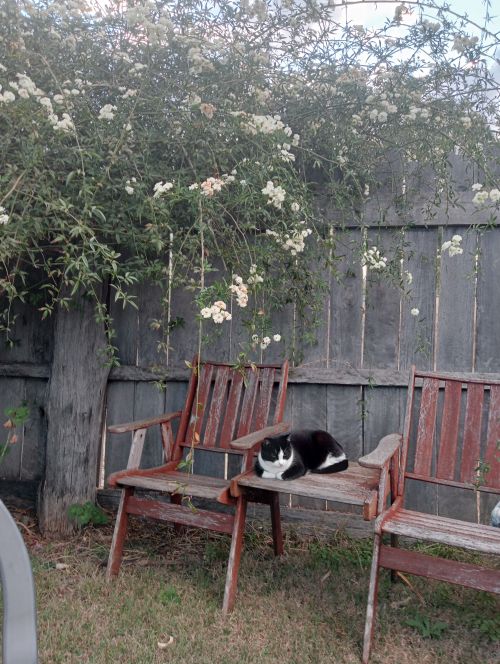
Traps – Rats and mice are a constant, my cat helps this problem, but traps are also good.
- Fertiliser
I don’t use a lot and again I try for natural wherever I can. Organic Dynamic Lifter is a favourite, but it does smell bad for a day or two! https://www.mitre10.com.au/yates-dynamic-lifter-reduced-odour-organic-15kg-7438633
I sometimes grow things like lucerne and dolichos that add nitrogen to the soil when chopped and used as mulch. Lucerne hay is gold if you can get some that has been wet and no good for animals.
Poo is good – chook poo and cow poo. The best gift my mum has given me was to organize a truck load of cow poo at my front gate when someone cleaned out their cattle yard!
- Plants, like people, don’t thrive in isolation.
Plants, like people, don’t thrive in isolation.
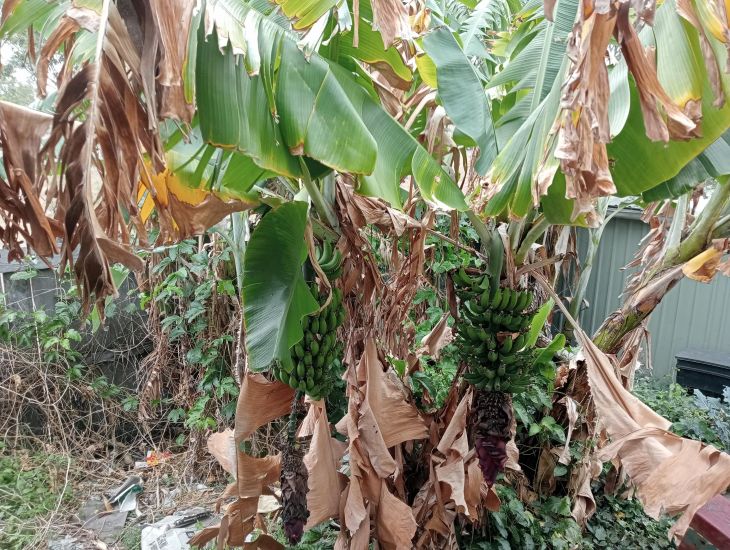
Plants need other plants so start with a patch that you feel is manageable and spread out later. I have fruit trees in my house yard that are crammed in and they do much better than the neat, lonely row of fruit trees I have planted along the boundary of my five acres.
- Enjoy 😊
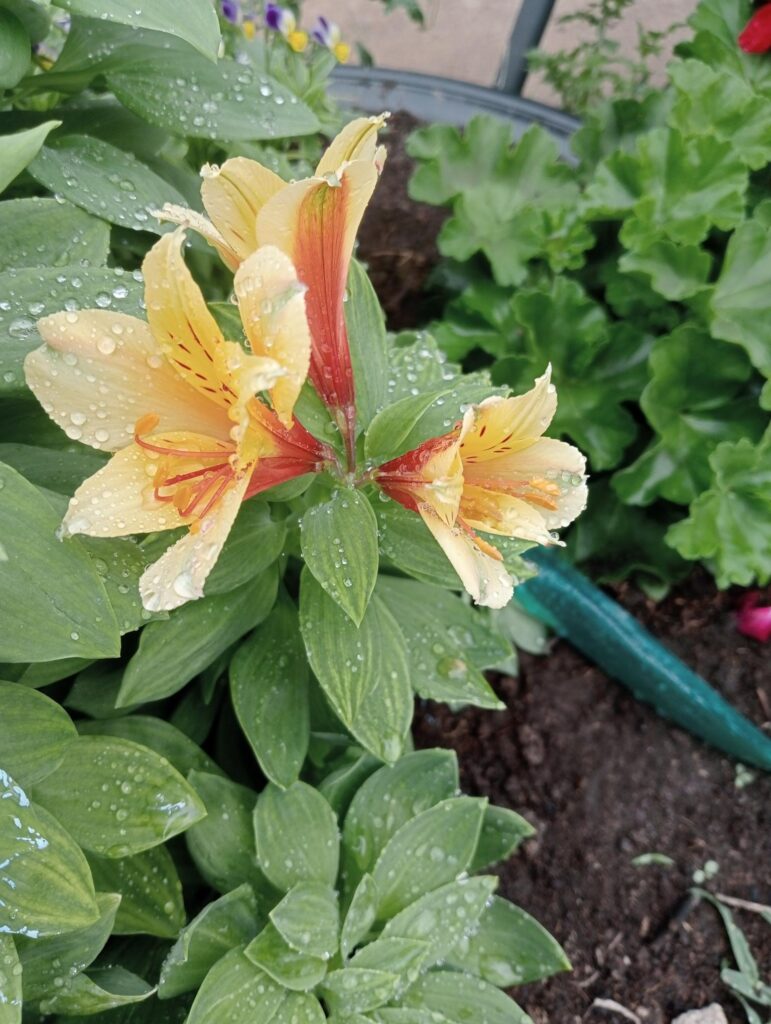
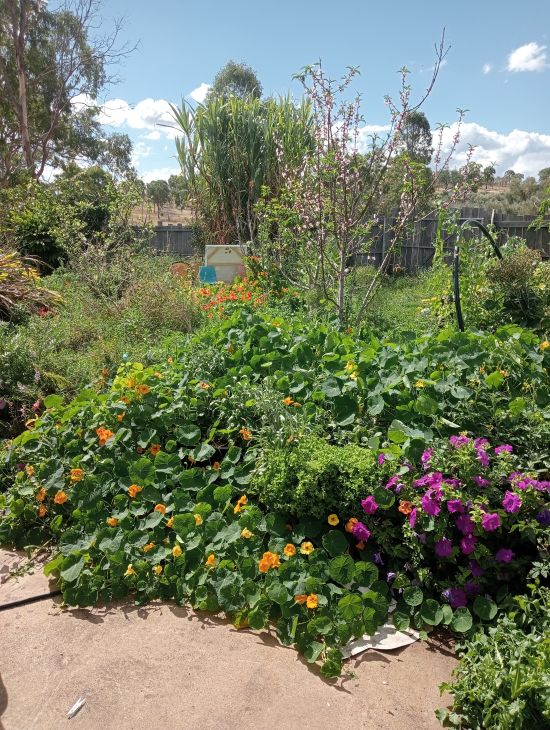
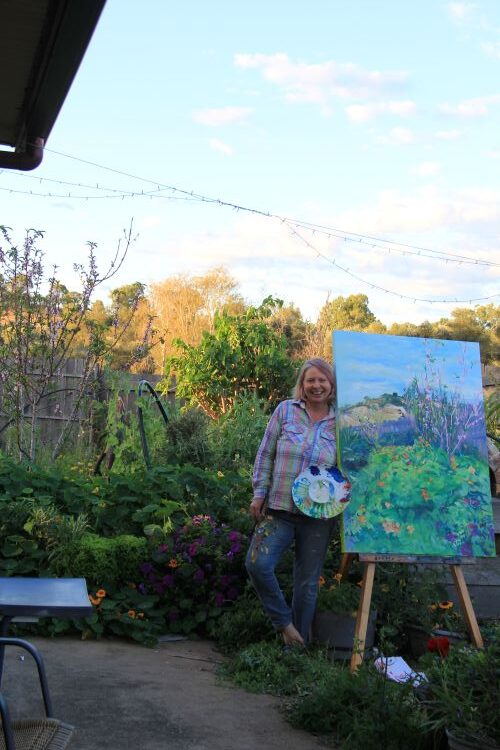
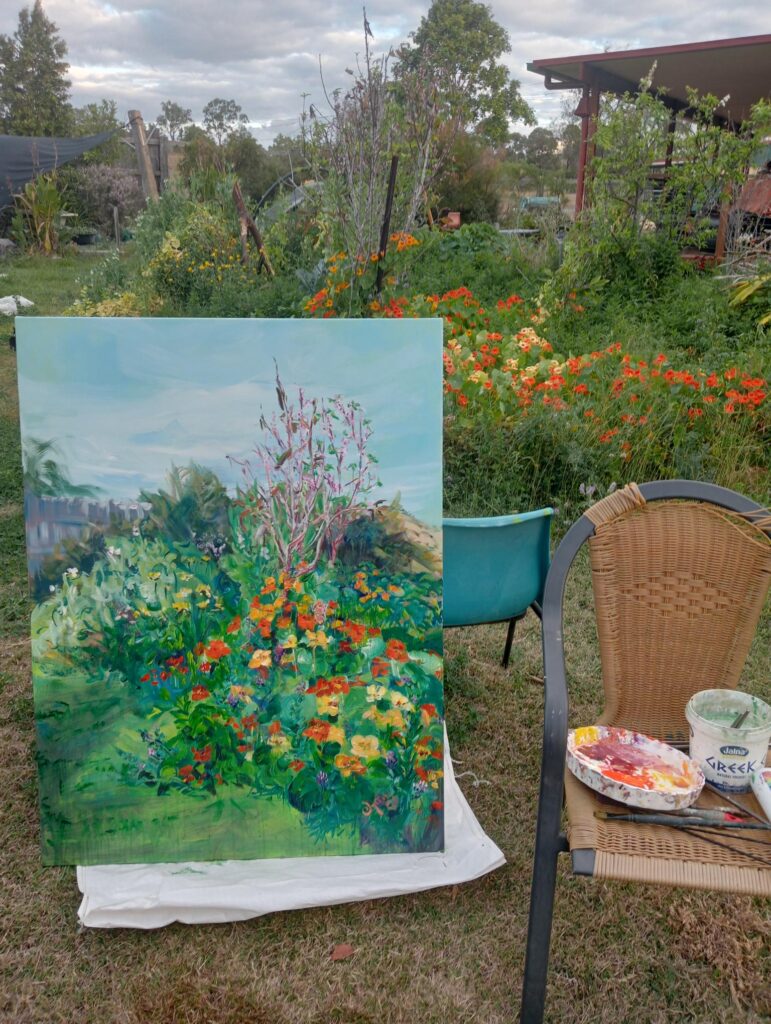
Gardening is so exciting! As the garden grows, it becomes easier to grow more. The first few years I couldn’t grow passionfruit, but when one finally decided it could thrive, those fruit were so sweet! As the trees mature, they produce more and provide shelter for other plants. Don’t get me started on flowers! This year it didn’t frost and I finally grew nasturtiums properly. They were a wild sea of gorgeous intense green, punctuated by iridescent reds, oranges and yellows. The subject of many blissful paintings.
If you have never gardened but want to, don’t let fear stop you.
Writer Mark Manson, author of “The subtle art of not giving a fuck” describes those elusive skills that seem to come easily to other people as VCR questions
“But the further I get into adulthood, the more I realize that we all have areas of our lives where we’re like my parents with the new VCR: we sit and stare and shake our heads and say, “But how do you do it?” When really, it’s as simple as just doing it.”
I myself have many, many VCR questions.
How do you throw and catch a ball?
How do people know which rhythm to step on when salsa dancing?? How do they even know if it’s a salsa song or a bachata song?
This weekend I had a beautiful time teaching pottery. Understanding that what might seem obvious or straight forward to me, could be someone else’s VCR question helped me teach. I asked questions and demonstrated techniques with as clear and simple explanations as I could. I hope that it gave the people watching some new ideas and inspiration.
If gardening is something you have always wanted to do but are not sure “how”, just start and play. Ask lots of questions, try different things and have fun.
And if you want a garden you don’t have to look after, buy one of my paintings, prints or calendars. 😊